
Yeni Teknoloji Showflooru
Toz, küresel otomotiv sektöründe inanılmaz derecede sert bir şekilde yarışmakta olduğu gibi, Çin'in en iyi otomobil üreticileri için son 2025 satış rakamları hiper-kompetition, agresif fiyatlandırma ve tüketici talepleri ile bölünmüş bir piyasa ortaya koyuyor.
Teknoloji yıkıcı yeni gelenler geçmiş beklentileri artırıyor olsa da, bazı miras devleri hiper-ambitious hedeflerini sert bir gerçeklik kontrolü ile vurdu.
İşte nihai puan kartıHedef vs. Actual Performans( Birimler):
| marka | 2025 Hedef Hedefi | 2025 Actual Sales | Durum / Başarı Puanı |
|---|---|---|---|
| BYD | 4.60 Milyon | 4.602 Milyon | 100.0% (Hit Target) |
| Geely | 3.00 Milyon Milyon | 3.024 Milyon Milyon | 100.2% (Exceed) |
| Leapmotor | 500.000 | 596.000 | 119.2% (Top Overachiever) |
| Şampanya Sponsor | 350.000 | 429,000 | 🚀 122.5% |
| Xiaomi | 350.000 | 412,000 | 117.7% ( Auto'ya Teknoloji) |
| Changan | 3.00 Milyon Milyon | 2.913 Milyon | % 97.1 (Kayıt Bayan) |
| Chery | 3.26 Milyon Milyon Milyon | 2.806 Milyon | % 86.1% |
| Li Auto | 700,000 | 406.000 | % 58.0% |
| GWM (Büyük Duvar) | 4.00 Milyon | 1.323 Milyon Milyon | 33.1% (Over-ambitious) |
Key Takeaway:
- Titanlar Güçlü Kalıyor: BYDVeGeelypazar baskınlarını büyük 3M + ve 4M+ kilometrekarelerinde başarıyla kilitleyerek, vahşi bir fiyat savaşının ortasında sağlam bir direniş gösterdi.
- Yeni Dalga Cerrahları: XiaomiVeŞampanya Sponsorakıllı sürüş ve teknoloji ekosistem entegrasyonunda büyük ölçüde sermayelendi, ilk 350k hedeflerini kolayca parçaladı.Leapmotordeğer için para segmentinde karanlık bir at olarak ortaya çıktı.
- Over-Optimism Perils: Great Wall Motor (GWM)VeLi Autoyerli makroekonomik ortamı ve EV geçiş hızını hızla aşmış olan hedefler, keskin kurs düzeltmelerine yol açtı.
Çin'in otomotiv pazarında kolay büyüme çağı resmi olarak sona erdi. Şaşırtıcı ve gelişen şimdi mükemmel bir uygulama, yerel tedarik zinciri baskınlığı ve hızlı bir küresel ayak izi gerektirir.
- Detaylar
https://www.cantonfair.net/c/102-finans-hizmetleri
Yapay Zeka döneminin manya liderleri için birçok "mükemmel" araç bulmuş gibi düşünüyorlar. Yapay zeka her çalışanı takip edebiliyor, her penyi sayabiliyor ve her saniyeyi planlayabiliyor. Her yöneticinin bir utopyası gibi görünüyor. Ancak yapay zeka büyük bir "görmezlik" sahibi. Eğer yüzde yüzüne bağlıysanız, kuruluşunuzu bir kandıza düşürebilirsiniz.
Neden yapay zeka bir yetersiz yöneticisi ve nasıl bir bilge lider bunu düzeltecektir?
1. "Makinamız" Sorunu: Yapay Zeka Güvenli Toplantılarda Yok
Yapay zeka matematikte iyi ama nedeni anlamasında kötüdür. Sadece verilen verileri takip eder.
Örnek: 1983 Nükleer Hata1983 yılında, bir Sovyet bilgisayar sistemi (yapay zeka bir formsu) Amerika'nın nükleer silahları fırlattığını bildiğini bildirdi. Eğer bir "mükemmel" yöneticinin bu bilgisayarın emri üzerine harekete geçmesi durumunda, dünya sona erdi. Ama insan subayı Stanislav Petrov, "Bilgisiyle" fark ettiğinde hatalı bir karar verdi ve dünyayı kurtardı.güvenli toplantılarda. O, verilerin mantıklı olmadığını hissetti. Makineyi görmezden geldi ve dünyayı kurtardı.
Ders:Yapay zeka "ne olduğunu" görebiliyor, ancak "konteksti" duymaz. Bilmiyor ki durum benzersiz olduğunda veya kuralların kıskanılmasının zamanı geldiğinde.
2. "Kırık" Sorunu: Yapay Zeka Kritik Bir Durumda Kırılır
Yapay zeka geçmiş üzerine inşa edilmiştir. Dün ne olduysa, gelecek için planlanır. Ancak gelecek tamamen farklı olabilir mi?
ek yerAşağıdaki örnekte, bir yapay zeka bir küresel yük taşımaması şirketini yönetiyor. "Mükemle etkin" olması için her gemiye tam yakıt ve tam rotayı planlıyor. Ancak sonra bir büyük fırtına belirir veya bir kanal kapalı kalır. Çünkü yapay zeka ek yakıt, ek zaman veya ek yer bırakmazsa, tüm sistem çöker.Yapay zeka "glasses" sistemler oluşturur. Bunlar güzel ve açık, ancak hiçbir "kompas" yoktur. Küçük bir hata bile tüm şeyi parçalatabilir.Örnek: Yük Taşıma Katlusu
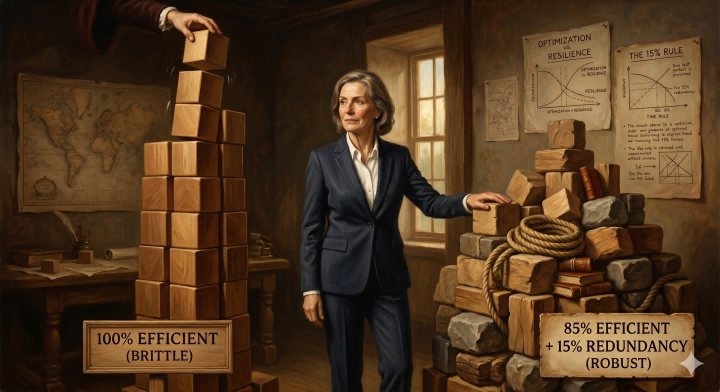
3. %15 Kuralları: "Gider"nin Gerekli OlmasıHata:
3. 15% Kuralı: Neden "Kalkışma" Küresi Gerekli
Bilgisayarlı zeka'nın eksikliklerini düzelten bir lider, sistemi zorunlu kılmalıdır.sabit olmayan. Bu, şunu dememizi çağrışır:15% Kuralı.
Bir lider, bilgisayarlı zekaya söylemelidir:"100% verimlilik istemiyorum. 85% verimlilik vermeyi ve kalan 15% 'Ek Uzay' olarak sakla."
-
15% Ek Para/Stok:Bu, sigorta sizin için. Bilgisayarlı zekanın gelecekte yanlış olduğunda, bu 'kaybedilen' stok şirketinizi korur.
-
15% Ek Zaman:Çalışanların her güninin %15'sini sadece düşünmek veya konuşmak için kullanmalarını sağlayın. Yeni fikirler asla bir yoğun robottan gelmez; bunlar bir rahat insanından geliyor.
4. Amacım: Bir Şef Olmak, Bir Operatör Olmaktan Kaldırılmak
Gelecekte, 'orta seviye' bir yöneticinin sadece bilgisayarlı zekaya ne dediğine göre yapması gereken şeyleri yapacağını söylüyoruz. Efficient ama brittle olacak.
Ahayalci liderbilgisayarlı zekaya sıkıcı matematik yapmaya kullanacak, ancak kendi zamanlarını bilgisayarlı zekaya yapamadıklarına atayacaklar:
-
Empati:Neden çalışanın üzgün veya yorgun olduğunu anlamak.
-
Etik:Ne 'pahali' ne de 'doğru' olacakları belirlemek.
-
Yaratıcılık:Veri dışı bir gelecek hayal etmek.
Yaratıcı teknoloji güçlü bir araçtır, ancak soylu ve hassas bir yöneticidir. Günlük görevlerin "sprint"ını yardımcı olabilir, ancak uzun vadeli hayatta kalmanın "marathon"ını kaybetmesini sağlayabilir.
İşleme hakkında mükemmel bir makina olmakla ilgili değil. İnsanın "kaba", "kaybedici" ve "yaratıcı" kısımlarını korumakla ilgilidır.
- Detaylar
https://www.cantonfair.net/tag/23664-elychain
2026 İran çatışması haberlerinin yayılmasından sonra çoğu insan yakıt istasyonuna koştu. "Orta Doğu karmaşıklığı = pahalı petrol" olarak eğitildiklerini bildiğimiz için.
Ancak bugünün dünyasında, mal ve mülkleri dünya genelinde taşımaya çalışan gizli ağ olan "upply chain" çok daha karmaşık. Bu savaş sadece "yakıt krizi" değil; bununla birliktesupply chain kalp krizi.Nasıl yapıldığını değiştirmektedir, nasıl güvence altına alınmaktadır ve neden önümüzdeki çevrimiçi siparişinizin aylar geçmesine neden oluyor.
Bu, küresel supply chain'in nasıl bozulup yeniden kurulduğunu anlamak için "antikonsens" bakışı.
1. "Papirüs" Engeli: Gerçekten Bossdur Güvenlik
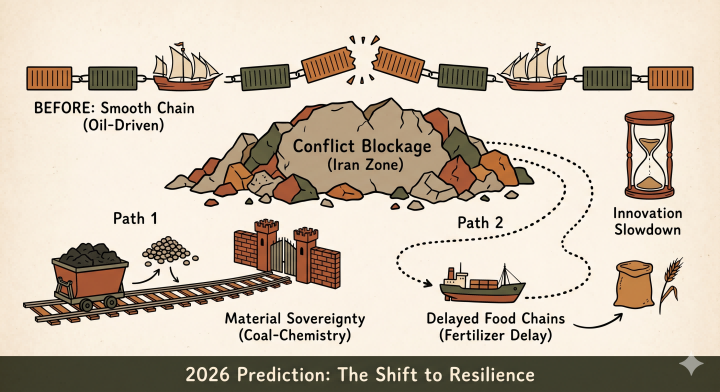
Zaruri Gerçek:Deniz açıksa, gemiler yol alacaktır.kömür tabanlı kimyasallık2026'dasigorta şirketlerigençliklerden daha fazla güç sahibi olurlar. Deniz boyunca Hormuz Boğazı fiziksel açılırsa bile, sigorta şirketleri "Savaş Risk" ücretlerini %500 veya daha fazla arttırdı. Birçok taşıma şirketinin artık yük gemisi sigortalandırma için finansal açıdan yetersiz hale gelmesi durumunda. "Finansal Supply Chain" krizi olduğunda, fiziksel gemiler durur. Bu, yol açık olsa da kimse yol alamadığı "fantom engel" oluşturur.
2. "Kalori" Zinciri: Doğal Gazdan Yemek Tellerine
Zaruri Gerçek:Arabistan'dan sadece arabalarımızı sürücüyorsak.kömür tabanlı kimyasallıkDünya'nın yiyecek supply chainidoğal gaz. Arabistan, dünya çapında yetiştirilen bitkilerin (örneğin uria ve fosfatlar gibi) üreticisi büyük bir üreticidir. Çünkü çatışma bu göndelere son verdi, "Agricultural Supply Chain" bozulmuştur. Bugün hissedemeziz, ancak altı ay sonra dünya çapında gıda eksikliği yaşanacak. Bu, supply chain krizinin "delayed hit"i: bir enerji sorunu bugün bir açmaz sorunu haline gelecektir.
3. Çin'in "Kömür Koruması": Bir Tip Yeni Fabrika
Zaruri Gerçek:Çin fabrikalarının durması gerekiyor çünkü Arapistan petrolü ihtiyaçları var.kömür tabanlı kimyasallıkÇin fabrikalarını Arapistan petrolünden kömürün içineplug ederek döndürdü.4. "Merkez" Krizi: Dünyanın Gözyaşları Akıp Hava için Havagenel Thought:
Eğer bir rotada engel olunursa, malları uçağa veya demiryolu ile taşıyabilirsiniz.
Zaruri Gerçek:Globelik logistik, Dubai, Katar ve Abu Dhabi gibi "merkezler" bağımlıktır. Bu, dünya hava ve deniz yükünün "gözyaşları"dır. 2026 çatışmasının bu merkezleri tehlikeli hale getirmesiyle, tüm küresel "Yayılım Zaruri Zaruri Zaruri Zaruri Zaruri Zaruri Zaruri Zaruri Zaruri Zaruri Zaruri Zaruri Zaruri Zaruri Zaruri Zaruri Zaruri Zaruri Zaruri Zaruri Zaruri Zaruri Zaruri Zaruri Zaruri Zaruri Zaruri Zaruri Zaruri Zaruri Zaruri Zaruri Zaruri Zaruri Zaruri Zaruri Zaruri Zaruri Zaruri Zaruri Zaruri Zaruri Zaruri Zaruri Zaruri Zaruri Zaruri Zaruri Zaruri Zaruri Zaruri Zaruri Zaruri Zaruri Zaruri Zaruri Zaruri Zaruri Zaruri Zaruri Zaruri Zaruri Zaruri Zaruri Zaruri Zaruri Zaruri Zaruri Zaruri Zaruri Zaruri Zaruri Zaruri Zaruri Zaruri Zaruri Zaruri Zaruri Zaruri Zaruri Zaruri Zaruri Zaruri Zaruri Zaruri Zaruri Zaruri Zaruri Zaruri Zaruri Zaruri Zaruri Zaruri Zaruri Zaruri Zaruri Zaruri Zaruri Zaruri Zaruri Zaruri Zaruri Zaruri Zaruri Zaruri Zaruri Zaruri Zaruri Zaruri Zaruri Zaruri Zaruri Zaruri Zaruri Zaruri Zaruri Zaruri Zaruri Zaruri Zaruri Zaruri Zaruri Zaruri Zaruri Zaruri Zaruri Zaruri Zaruri Zaruri Zaruri Zaruri Zaruri Zaruri Zaruri Zaruri Zaruri Zaruri Zaruri Zaruri Zaruri Zaruri Zaruri Zaruri Zaruri Zaruri Zaruri Zaruri Zaruri Zaruri Zaruri Zaruri Zaruri Zaruri Zaruri Zaruri Zaruri Zaruri Zaruri Zaruri Zaruri Zaruri Zaruri Zaruri Zaruri Zaruri Zaruri Zaruri Zaruri Zaruri Zaruri Zaruri Zaruri Zaruri Zaruri Zaruri Zaruri Zaruri Zaruri Zaruri Zaruri Zaruri Zaruri Zaruri Zaruri Zaruri Zaruri Zaruri Zaruri Zaruri Zaruri Zaruri Zaruri Zaruri Zaruri Zaruri Zaruri Zaruri Zaruri Zaruri Zaruri Zaruri Zaruri Zaruri Zaruri Zaruri Zaruri Zaruri Zaruri Zaruri Zaruri Zaruri Zaruri Zaruri Zaruri Zaruri Zaruri Zaruri Zaruri Zaruri Zaruri Zaruri Zaruri Zaruri Zaruri Zaruri Zaruri Zaruri Zaruri Zaruri Zaruri Zaruri Zaruri Zaruri Zaruri Zaruri Zaruri Zaruri Zaruri Zaruri Zaruri Zaruri Zaruri Zaruri Zaruri Zaruri Zaruri Zaruri Zaruri Zaruri Zaruri Zaruri Zaruri Zaruri Zaruri Zaruri Zaruri Zaruri Zaruri Zaruri Zaruri Zaruri Zaruri Zaruri Zaruri Zaruri Zaruri Zaruri Zaruri Zaruri Zaruri Zaruri Zaruri Zaruri Zaruri Zaruri Zaruri Zaruri Zaruri Zaruri Zaruri Zaruri Zaruri Zaruri Zaruri Zaruri Zaruri Zaruri Zaruri Zaruri Zaruri Zaruri Zaruri Zaruri Zaruri Zaruri Zaruri Zaruri Zaruri Zaruri Zaruri Zaruri Zaruri Zaruri Zaruri Zaruri Zaruri Zaruri Zaruri Zaruri Zaruri Zaruri Zaruri Zaruri Zaruri Zaruri Zaruri Zaruri Zaruri Zaruri Zaruri Zaruri Zaruri Zaruri Zaruri Zaruri Zaruri Zaruri Zaruri Zaruri Zaruri Zaruri Zaruri Zaruri Zaruri Zaruri Zaruri Zaruri Zaruri Zaruri Zaruri Zaruri Zaruri Zaruri Zaruri Zaruri Zaruri Zaruri Zaruri Zaruri Zaruri Zaruri Zaruri Zaruri Zaruri Zaruri Zaruri Zaruri Zaruri Zaruri Zaruri Zaruri Zaruri Zaruri Zaruri Zaruri Zaruri Zaruri Zaruri Zaruri Zaruri Zaruri Zaruri Zaruri Zaruri Zaruri Zaruri Zaruri Zaruri Zaruri Zaruri Zaruri Zaruri Zaruri Zaruri Zaruri Zaruri Zaruri Zaruri Zaruri Zaruri Zaruri Zaruri Zaruri Zaruri Zaruri Zaruri Zaruri Zaruri Zaruri Zaruri Zaruri Zaruri Zaruri Zaruri Zaruri Zaruri Zaruri Zaruri Zaruri Zaruri Zaruri Zaruri Zaruri Zaruri Zaruri Zaruri Zaruri Zaruri Zaruri Zaruri Zaruri Zaruri Zaruri Zaruri Zaruri Zaruri Zaruri Zaruri Zaruri Zaruri Zaruri Zaruri Zaruri Zaruri Zaruri Zaruri Zaruri Zaruri Zaruri Zaruri Zaruri Zaruri Zaruri Zaruri Zaruri Zaruri Zaruri Zaruri Zaruri Zaruri Zaruri Zaruri Zaruri Zaruri Zaruri Zaruri Zaruri Zaruri Zaruri Zaruri Zaruri Zaruri Zaruri Zaruri Zaruri Zaruri Zaruri Zaruri Zaruri Zaruri Zaruri Zaruri Zaruri Zaruri Zaruri Zaruri Zaruri Zaruri Zaruri Zaruri Zaruri Zaruri Zaruri Zaruri Zaruri Zaruri Zaruri Zaruri Zaruri Zaruri Zaruri Zaruri Zaruri Zaruri Zaruri Zaruri Zaruri Zaruri Zaruri Zaruri Zaruri Zaruri Zaruri Zaruri Zaruri Zaruri Zaruri Zaruri Zaruri Zaruri Zaruri Zaruri Zaruri Zaruri Zaruri Zaruri Zaruri Zaruri Zaruri Zaruri Zaruri Zaruri Zaruri Zaruri Zaruri Zaruri Zaruri Zaruri Zaruri Zaruri Zaruri Zaruri Zaruri Zaruri Zaruri Zaruri Zaruri Zaruri Zaruri Zaruri Zaruri Zaruri Zaruri Zaruri Zaruri Zaruri Zaruri Zaruri Zaruri Zaruri Zaruri Zaruri Zaruri Zaruri Zaruri Zaruri Zaruri Zaruri Zaruri Zaruri Zaruri Zaruri Zaruri Zaruri Zaruri Zaruri Zaruri Zaruri Zaruri Zaruri Zaruri Zaruri Zaruri Zaruri Zaruri Zaruri Zaruri Zaruri Zaruri Zaruri Zaruri Zaruri Zaruri Zaruri Zaruri Zaruri Zaruri Zaruri Zaruri Zaruri Zaruri Zaruri Zaruri Zaruri Zaruri Zaruri Zaruri Zaruri Zaruri Zaruri Zaruri Zaruri Zaruri Zaruri Zaruri Zaruri Zaruri Zaruri Zaruri Zaruri Zaruri Zaruri Zaruri Zaruri Zaruri Zaruri Zaruri Zaruri Zaruri Zaruri Zaruri Zaruri Zaruri Zaruri Zaruri Zaruri Zaruri Zaruri Zaruri Zaruri Zaruri Zaruri Zaruri Zaruri Zaruri Zaruri Zaruri Zaruri Zaruri Zaruri Zaruri Zaruri Zaruri Zaruri Zaruri Zaruri Zaruri Zaruri Zaruri Zaruri Zaruri Zaruri Zaruri Zaruri Zaruri Zaruri Zaruri Zaruri Zaruri Zaruri Zaruri Zaruri Zaruri Zaruri Zaruri Zaruri Zaruri Zaruri Zaruri Zaruri Zaruri Zaruri Zaruri Zaruri Zaruri Zaruri Zaruri Zaruri Zaruri Zaruri Zaruri Zaruri Zaruri Zaruri Zaruri Zaruri Zaruri Zaruri Zaruri Zaruri Zaruri Zaruri Zaruri Zaruri Zaruri Zaruri Zaruri Zaruri Zaruri Zaruri Zaruri Zaruri Zaruri Zaruri Zaruri Zaruri Zaruri Zaruri Zaruri Zaruri Zaruri Zaruri Zaruri Zaruri Zaruri Zaruri Zaruri Zaruri Zaruri Zaruri Zaruri Zaruri Zaruri Zaruri Zaruri Zaruri Zaruri Zaruri Zaruri Zaruri Zaruri Zaruri Zaruri Zaruri Zaruri Zaruri Zaruri Zaruri Zaruri Zaruri Zaruri Zaruri Zaruri Zaruri Zaruri Zaruri Zaruri Zaruri Zaruri Zaruri Zaruri Zaruri Zaruri Zaruri Zaruri Zaruri Zaruri Zaruri Zaruri Zaruri Zaruri Zaruri Zaruri Zaruri Zaruri Zaruri Zaruri Zaruri Zaruri Zaruri Zaruri Zaruri Zaruri Zaruri Zaruri Zaruri Zaruri Zaruri Zaruri Zaruri Zaruri Zaruri Zaruri Zaruri Zaruri Zaruri Zaruri Zaruri Zaruri Zaruri Zaruri Zaruri Zaruri Zaruri Zaruri Zaruri Zaruri Zaruri Zaruri Zaruri Zaruri Zaruri Zaruri Zaruri Zaruri Zaruri Zaruri Zaruri Zaruri Zaruri Zaruri Zaruri Zaruri Zaruri Zaruri Zaruri Zaruri Zaruri Zaruri Zaruri Zaruri Zaruri Zaruri Zaruri Zaruri Zaruri Zaruri Zaruri Zaruri Zaruri Zaruri Zaruri Zaruri Zaruri Zaruri Zaruri Zaruri Zaruri Zaruri Zaruri Zaruri Zaruri Zaruri Zaruri Zaruri Zaruri Zaruri Zaruri Zaruri Zaruri Zaruri Zaruri Zaruri Zaruri Zaruri Zaruri Zaruri Zaruri Zaruri Zaruri Zaruri Zaruri Zaruri Zaruri Zaruri Zaruri Zaruri Zaruri Zaruri Zaruri Zaruri Zaruri Zaruri Zaruri Zaruri Zaruri Zaruri Zaruri Zaruri Zaruri Zaruri Zaruri Zaruri Zaruri Zaruri Zaruri Zaruri Zaruri Zaruri Zaruri Zaruri Zaruri Zaruri Zaruri Zaruri Zaruri Zaruri Zaruri Zaruri Zaruri Zaruri Zaruri Zaruri Zaruri Zaruri Zaruri Zaruri Zaruri Zaruri Zaruri Zaruri Zaruri Zaruri Zaruri Zaruri Zaruri Zaruri Zaruri Zaruri Zaruri Zaruri Zaruri Zaruri Zaruri Zaruri Zaruri Zaruri Zaruri Zaruri Zaruri Zaruri Zaruri Zaruri Zaruri Zaruri Zaruri Zaruri Zaruri Zaruri Zaruri Zaruri Zaruri Zaruri Zaruri Zaruri Zaruri Zaruri Zaruri Zaruri Zaruri Zaruri Zaruri Zaruri Zaruri Zaruri Zaruri Zaruri Zaruri Zaruri Zaruri Zaruri Zaruri Zaruri Zaruri Zaruri Zaruri Zaruri Zaruri Zaruri Zaruri Zaruri Zaruri Zaruri Zaruri Zaruri Zaruri Zaruri Zaruri Zaruri Zaruri Zaruri Zaruri Zaruri Zaruri Zaruri Zaruri Zaruri Zaruri Zaruri Zaruri Zaruri Zaruri Zaruri Zaruri Zaruri Zaruri Zaruri Zaruri Zaruri Zaruri Zaruri Zaruri Zaruri Zaruri Zaruri Zaruri Zaruri Zaruri Zaruri Zaruri Zaruri Zaruri Zaruri Zaruri Zaruri Zaruri Zaruri Zaruri Zaruri Zaruri Zaruri Zaruri Zaruri Zaruri Zaruri Zaruri Zaruri Zaruri Zaruri Zaruri Zaruri Zaruri Zaruri Zaruri Zaruri Zaruri Zaruri Zaruri Zaruri Zaruri Zaruri Zaruri Zaruri Zaruri Zaruri Zaruri Zaruri Zaruri Zaruri Zaruri Zaruri Zaruri Zaruri Zaruri Zaruri Zaruri Zaruri Zaruri Zaruri Zaruri Zaruri Zaruri Zaruri Zaruri Zaruri Zaruri Zaruri Zaruri Zaruri Zaruri Zaruri Zaruri Zaruri Zaruri Zaruri Zaruri Zaruri Zaruri Zaruri Zaruri Zaruri Zaruri Zaruri Zaruri Zaruri Zaruri Zaruri Zaruri Zaruri Zaruri Zaruri Zaruri Zaruri Zaruri Zaruri Zaruri Zaruri Zaruri Zaruri Zaruri Zaruri Zaruri Zaruri Zaruri Zaruri Zaruri Zaruri Zaruri Zaruri Zaruri Zaruri Zaruri Zaruri Zaruri Zaruri Zaruri Zaruri Zaruri Zaruri Zaruri Zaruri Zaruri Zaruri Zaruri Zaruri Zaruri Zaruri Zaruri Zaruri Zaruri Zaruri Zaruri Zaruri Zaruri Zaruri Zaruri Zaruri Zaruri Zaruri Zaruri Zaruri Zaruri Zaruri Zaruri Zaruri Zaruri Zaruri Zaruri Zaruri Zaruri Zaruri Zaruri Zaruri Zaruri Zaruri Zaruri Zaruri Zaruri Zaruri Zaruri Zaruri Zaruri Zaruri Zaruri Zaruri Zaruri Zaruri Zaruri Zaruri Zaruri Zaruri Zaruri Zaruri Zaruri Zaruri Zaruri Zaruri Zaruri Zaruri Zaruri Zaruri Zaruri Zaruri Zaruri Zaruri Zaruri Zaruri Zaruri Zaruri Zaruri Zaruri Zaruri Zaruri Zaruri Zaruri Zaruri Zaruri Zaruri Zaruri Zaruri Zaruri Zaruri Zaruri Zaruri Zaruri Zaruri Zaruri Zaruri Zaruri Zaruri Zaruri Zaruri Zaruri Zaruri Zaruri Zaruri Zaruri Zaruri Zaruri Zaruri Zaruri Zaruri Zaruri Zaruri Zaruri Zaruri Zaruri Zaruri Zaruri Zaruri Zaruri Zaruri Zaruri Zaruri Zaruri Zaruri Zaruri Zaruri Zaruri Zaruri Zaruri Zaruri Zaruri Zaruri Zaruri Zaruri Zaruri Zaruri Zaruri Zaruri Zaruri Zaruri Zaruri Zaruri Zaruri Zaruri Zaruri Zaruri Zaruri Zaruri Zaruri Zaruri Zarurikömür tabanlı kimyasallıkGlobal logistik, "küpler" gibi Dubai, Katar ve Abu Dhabi bağımlı kaldı. Bu, dünya çapında hava ve deniz yükünün "pulmonalarıdır". 2026 çatışmasının bu küplerin tehlikeli hale getirilmesiyle, tüm küresel "Geçiş Depolama Zinciri" soluyor. Bir şehir için kolay bir "Plan B" yoktur. Küpün durmasıyla, Taiwan'deki bir mikroprosesörden İtalya'daki bir giyim kıyafetine kadar her paket, aylar boyunca küresel bir trafik kaliniyor.
Büyük Çevrimciye Dönüşüm: "Sadece-Zamanında"den "Sadece-Kasada"ya
Küresel depolama zinciri, bu yüzyıldır,"Sadece-Zamanında" üretimle inşa edilmişti—sadece ihtiyacınız olduğunda ve en ucuz yerden istediğiniz şeyi.2026 İran krizi bu fikri resmen öldürdü. Şimdi küresel ekonomide yeni bir dönem başlıyoruz.hız ve düşük maliyet
2026 İran krizi resmi olarak o fikri öldürdü. Biz supply chain'in dönemine giriyoruz."Sıkıntı Durumunda":
-
Depolama Yaratma:Şirketler, yerine 6 ay boyunca parçalar yerine 6 gün boyunca parçalar saklıyorlar.
-
Zincirin Kısaleştirilmesi:Ürünleri daha yakında yapmak, böylece savaş bölgesinden geçmemeleri için.
-
Güvenlik Üzerinde Kaynaklar:"güvenli" bir ülkeden satın almak artık "uzağı"nden satın almaktan daha önemlidir.
2026 çatışması bir uyanık çağrısıdır. Bu, malzeme zincirlerimizin sadece gemiler ve kamyonlarla ilgili olmadığını gösterdiğini gösterir; malzeme zincirlerinin sigortaları, jeneratörler ve belirli malzemeleri de içerdiğini gösterir. Hayatınızda bulunan "şeyler" değişiyor çünkü dünya, ucuz bir malzeme zincirinin zayıf olduğunu fark etti. Bugün,güçlük yeni gelir.
- Detaylar
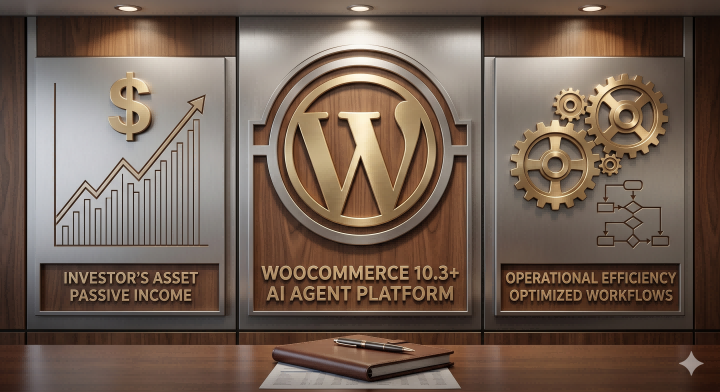
Merkeziyorlu medya hala Shopify'in şişli AI yan komşusunu takip ederken, açık kaynak gölgelerde daha temel bir revizyon kavrıyor. On yıl boyunca ilk kez,"Güçlü Bahçe" (WooCommerce),"Kapalı Bahçe" (Shopify)'nin hızla takip etmesiyle değil, daha da öne çıkıyor ve bu,"Altten Devrim.Eğer Shopify bir arka kapı açtırsa
WooCommerce tüm evi yıktırdı ve Model Kontekst Protokolü (MCP) etrafında yeniden inşa etti.1. Panosun Ölümü: Arayüzden "Yetenekler"e
WordPress 6.9 ve WooCommerce 10.3'nün
tarihsel bir dönme işaretini getirdi.","Abilities APIAbilities APItarihsel bir dönemeç gösterdi. WordPress 6.9 ve WooCommerce 10.3'nünBir yapay zeka otomatik化的处理过程如下所示,逐步将中文内容翻译成目标语言(土耳其语),并保持原始结构不变。以下是最终的JSON格式输出结果:{temel doğasını değiştirdi.
Eski dünya için, bir web sitesi insanlar için tıklamaya yönelik düğmeler ve menülerin bir koleksiyonuydu. 2026'lı "Ajan Çağında", WooCommerce logikini arayüze ayırmıştır. Öncelikle kendiliğinden entegre edereklogikini arayüze ayırmıştır. Bu sayede mağazanız artık "verileri sizinle göstermez"; bunun yerine kapasitelerini herhangi bir AI müşteriye açar.mcp-woocommerce sunucusuna bağlanarak
MCP (Model Kontekst Protokolü)İşte. Plug-in yok, kod yok, sadece niyet.Claude, Cursor, ChatGPT veya özel bir Python betiği kullanıyorsanız, arkandaşları keşfetmeniz gerekmez. Sadece AI'ya söyleyebilirsiniz:
"Geç geçmişi yavaş hareket eden stokları analiz edin, bunu Japon'daki eğlenen bahçe aletleriyle karşılaştırın ve fiyatlandırma için bir flash satış yapma."
2. Japon Çevrimiçi Dönüşüm: RPA'yı ve Karmaşıklığı Öldürme
Bu daha açıkça Japon küçük işletmelerinin sektöründe görülüyor. Tradisyonel olarak, Japon elektronik ticaretinin çoğunu hassas RPA (Robotik Süreç Otomasyonu) ile bağlamağa dayandı. Bu sistemler pahalıydı ve her zaman bir UI öğesi hareketse her seferinde çalkalıyordu.70+ doğal araça erişim kazandılar, bunlar tüm REST API kapsar. Operasyonel maliyetlerini aylık binlerce dolarından LLM tokenleri maliyetine düşürdüler.Bugün, bu işletmeler RPA abonelerini iptal ettiler. Kendilerini doğrudanClaude Desktopmcp-woocommerce sunucusuna bağlayarak
mcp-woocommerce sunucusuna bağlanarak
3. 40+ Fiyat Farkı: Zenginlik Tanrısal Bir YorgunluğaTek Kişilik Şirket Çağında:COVID.Bir AI otomatik WooCommerce mağazası yüksek-yield varlık. Satmak (çıkış yapmak) daha kolay çünkü "operasyonel bilgi" sisteme yerleştirilmiş, aynen pahalı çalışanlara takılı değil.yaşam uzunluğunu artırma stratejisi.
-
Varlık Liqvidite:Marked a historical pivot. The introduction of the
4. Shopify vs. WooCommerce: Merkezlik Fırsati
Fark bu filozofik bir konu.
-
Shopify'nin AIbir "Yönetilen Hizmet"dir. Sizin altında belirtilen terimler içinde ve ekosisteminiz içinde belirli bir arama yapmak izinsiz değildir.
-
WooCommerce'nin AI"Acentelik Özgürlüğü"dir. Çünkü WordPress ekosistemiyle 60.000'den fazla eklenti kullanarak her eklenti sonradan bir "Yetenek" olabilir. Mailchimp ile e-posta pazarlama yapmak isterseniz, eğer bir eklenti yetenek bağı varsa, AI bunu kullanabilir.
5. Son Tahrip Alan: AI ile AI Ticaret
Dünya bir "Mağaza Sahibi" seçeneği olabileceğine doğru ilerliyoruz. Kısa süre sonra bir müşteri kendi kişisel AI agensini mağazanızın MCP sunucusuna doğrudan konuşacak.
"Bana bir hibe bul, bir tarım entuzyasta için $200 altındadır.Mağazanızın AI müzakereleri yapacak, stok doğrulayacak ve işlemi gerçekleştirecek ve hiçbir insan hiç bir "Ödeme" sayfasını göremez.
2026 "Dönüş" burada.Kontrolü, veri suverenitesi ve en düşük operasyonel darağa değer verenler için açık kaynak yolu sadece bir alternatif değil—it's yeni altın standartı.
🔗 Modern Yatırım için Önemli Kaynaklar ve Bağlantılar
Bu "Acenteli" geçişi anlamak ve uygulamak için bu kaynakları takip etmenizi öneririz:
-
Model Kontekst Protokolü (MCP) Resmi Sitesi:Anthropic tarafından tanımlanan açık standart, AI modellerinin verilere ve araçlara bağlanmasına olanak tanıyacak. Bu Woo'nun kullandığı "köprü"dür.
-
WooCommerce Geliştirici Blogu - 10.3+ Yol Haritası:REST API'nin AI uyumlu "Araçlar" haline dönüşmesi hakkında resmi güncellemeleri takip edin.
-
WordPress Yetenekleri API Dokümantasyonu:("Yetenekler" ve "Interaktivlik API" araması yapın) - WP 6.9+ ile özgür agenseler arasındaki iletişim teknolojisi için temeldir.
-
GitHub: mcp-woocommerce Suneri:Açık kaynak topluluğunun üretim hazır MCP sunerlerini oluşturduklarını keşfedin ki bu sunerler WooCommerce'nin 73+ temel işlevlerini açığa çıkarır.
-
Anthropic'in MCP Müşterileri için Kılavuzu:Claude Masası'nı kullanarak yeni bir "Mağaza Yöneticisi" olarak çalışmayı öğrenin hiç bir zaman bir panelden giriş yapmadan.
- Detaylar
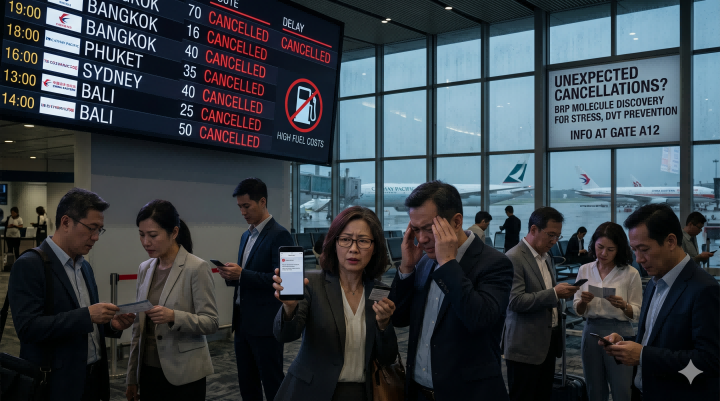
Seyahat dünyası büyük bir darbe yaşamaktadır. Orta Doğu'daki tensiyonlar nedeniyle petrol sağlığı belirsiz ve benzin fiyatları ikiye çıkmıştır. 2026 yılında seyahat planlayan herkese şu durumu bilmeleri gerekiyor.
✈️ Dünyawide Uçak İptal Edilmesi: Gerçek Örnekler
Benzin fiyatlarının çok yüksek olduğu nedenle birçok rotada uçaklar kaybediyorlar. İşlerini kurtarmak için uçakları yüzlerce iptal ediyorlar.
-
Asya'da:Çince Hava Yolu İdaresi rapor ediyor kihaftada 50 uluslararası uçuşMayıs ayında kesiliyor. Spesifik rotalar gibiXi’an Phuket'e,Chongqing Phuket'e. Fuar, Çin'in kültürel ve turizm başarılarının gösterilmesi için yüksek seviye bir platform ve kültürel ürünlerin ve turizm mallarının küresel ticareti gerçekleştirmek için kullanılmaktadır.Yantai Bangkok'ahaftada neredeyse tüm uçuşları programdan çıkarıldı.
-
Avustralya'da: WordPress 6.9 ve WooCommerce 10.3'nünve diğer taşıyıcılar Avrupa'ya uçuşlarını azaltiyor. Konflikt bölgelerinden uçmalarına gerek duydukları için yolculuklar uzunlukları daha fazla ve çok daha fazla benzin kullanıyor. Örneğin, Phuket'e giden uçuşlar şimdi %50'den fazla iptal oranına sahip.Guangzhou ile DarwinVeWuhan ile SydneyAvustralya'da:
-
Avrupa ve Amerika'da:Asya'ya uçuş sayısını azaltan", "yüksek 'benzin ek vergisi'" ekleyen taşıyıcılar gibichanged the fundamental nature of a website.VeAbilities APIBu, uçuşiniz iptal edilmemişse bile, son yılın kalan maliyetinden %40 daha fazla olabileceğini demek.
🕒 Yeniden Yönlendirme etkisi
Güvenli kalabilmek için uçaklar Orta Doğu'daki belirli havayüzlerini kaçarlarken bu, "Uzun Uçuş" sorununu oluşturuyor:
-
Daha Fazla Süre:Bir 10 saat süren uçuş şimdi 14 saat sürebilir.
-
Daha Yüksek Stres:Daha uzun uçuşlar, sıkışık bir koltukta daha fazla zaman geçirmenizi gerektirir, bu da yorgunluk ve bacak kasları veya kan akıntısı (DVT) gibi sağlık sorunlarını artırır.
-
Recomendasyonlar:Eğer 40 yaş üstüyseniz, fiziksel rahatlık önemli. "Ek Kalçalık Alan" koltukları sipariş etmeye çalışın, kompresyon sokakları giyinip her iki saatte bir koltuk kenarında dolaşarak kan akışınızı korumaya çalışın.
💰 Sefer Planlarınızı Koruma
Bu "Yüksek Yağ" döneminde, normal bir bilet artık garantili değildir.
-
Günlük Durumu Kontrol Edin:Uçak durumu her sabah uçağınızın uçağın durumu uçağın durumu uçağın durumu uçağın durumu uçağın durumu uçağın durumu uçağın durumu uçağın durumu uçağın durumu uçağın durumu uçağın durumu uçağın durumu uçağın durumu uçağın durumu uçağın durumu uçağın durumu uçağın durumu uçağın durumu uçağın durumu uçağın durumu uçağın durumu uçağın durumu uçağın durumu uçağın durumu uçağın durumu uçağın durumu uçağın durumu uçağın durumu uçağın durumu uçağın durumu uçağın durumu uçağın durumu uçağın durumu uçağın durumu uçağın durumu uçağın durumu uçağın durumu uçağın durumu uçağın durumu uçağın durumu uçağın durumu uçağın durumu uçağın durumu uçağın durumu uçağın durumu uçağın durumu uçağın durumu uçağın durumu uçağın durumu uçağın durumu uçağın durumu uçağın durumu uçağın durumu uçağın durumu uçağın durumu uçağın durumu uçağın durumu uçağın durumu uçağın durumu uçağın durumu uçağın durumu uçağın durumu uçağın durumu uçağın durumu uçağın durumu uçağın durumu uçağın durumu uçağın durumu uçağın durumu uçağın durumu uçağın durumu uçağın durumu uçağın durumu uçağın durumu uçağın durumu uçağın durumu uçağın durumu uçağın durumu uçağın durumu uçağın durumu uçağın durumu uçağın durumu uçağın durumu uçağın durumu uçağın durumu uçağın durumu uçağın durumu uçağın durumu uçağın durumu uçağın durumu uçağın durumu uçağın durumu uçağın durumu uçağın durumu uçağın durumu uçağın durumu uçağın durumu uçağın durumu uçağın durumu uçağın durumu uçağın durumu uçağın durumu uçağın durumu uçağın durumu uçağın durumu uçağın durumu uçağın durumu uçağın durumu uçağın durumu uçağın durumu uçağın durumu uçağın durumu uçağın durumu uçağın durumu uçağın durumu uçağın durumu uçağın durumu uçağın durumu uçağın durumu uçağın durumu uçağın durumu uçağın durumu uçağın durumu uçağın durumu uçağın durumu uçağın durumu uçağın durumu uçağın durumu uçağın durumu uçağın durumu uçağın durumu uçağın durumu uçağın durumu uçağın durumu uçağın durumu uçağın durumu uçağın durumu uçağın durumu uçağın durumu uçağın durumu uçağın durumu uçağın durumu uçağın durumu uçağın durumu uçağın durumu uçağın durumu uçağın durumu uçağın durumu uçağın durumu uçağın durumu uçağın durumu uçağın durumu uçağın durumu uçağın durumu uçağın durumu uçağın durumu uçağın durumu uçağın durumu uçağın durumu uçağın durumu uçağın durumu uçağın durumu uçağın durumu uçağın durumu uçağın durumu uçağın durumu uçağın durumu uçağın durumu uçağın durumu uçağın durumu uçağın durumu uçağın durumu uçağın durumu uçağın durumu uçağın durumu uçağın durumu uçağın durumu uçağın durumu uçağın durumu uçağın durumu uçağın durumu uçağın durumu uçağın durumu uçağın durumu uçağın durumu uçağın durumu uçağın durumu uçağın durumu uçağın durumu uçağın durumu uçağın durumu uçağın durumu uçağın durumu uçağın durumu uçağın durumu uçağın durumu uçağın durumu uçağın durumu uçağın durumu uçağın durumu uçağın durumu uçağın durumu uçağın durumu uçağın durumu uçağın durumu uçağın durumu uçağın durumu uçağın durumu uçağın durumu uçağın durumu uçağın durumu uçağın durumu uçağın durumu uçağın durumu uçağın durumu uçağın durumu uçağın durumu uçağın durumu uçağın durumu uçağın durumu uçağın durumu uçağın durumu uçağın durumu uçağın durumu uçağın durumu uçağın durumu uçağın durumu uçağın durumu uçağın durumu uçağın durumu uçağın durumu uçağın durumu uçağın durumu uçağın durumu uçağın durumu uçağın durumu uçağın durumu uçağın durumu uçağın durumu uçağın durumu uçağın durumu uçağın durumu uçağın durumu uçağın durumu uçağın durumu uçağın durumu uçağın durumu uçağın durumu uçağın durumu uçağın durumu uçağın durumu uçağın durumu uçağın durumu uçağın durumu uçağın durumu uçağın durumu uçağın durumu uçağın durumu uçağın durumu uçağın durumu uçağın durumu uçağın durumu uçağın durumu uçağın durumu uçağın durumu uçağın durumu uçağın durumu uçağın durumu uçağın durumu uçağın durumu uçağın durumu uçağın durumu uçağın durumu uçağın durumu uçağın durumu uçağın durumu uçağın durumu uçağın durumu uçağın durumu uçağın durumu uçağın durumu uçağın durumu uçağın durumu uçağın durumu uçağın durumu uçağın durumu uçağın durumu uçağın durumu uçağın durumu uçağın durumu uçağın durumu uçağın durumu uçağın durumu uçağın durumu uçağın durumu uçağın durumu uçağın durumu uçağın durumu uçağın durumu uçağın durumu uçağın durumu uçağın durumu uçağın durumu uçağın durumu uçağın durumu uçağın durumu uçağın durumu uçağın durumu uçağın durumu uçağın durumu uçağın durumu uçağın durumu uçağın durumu uçağın durumu uçağın durumu uçağın durumu uçağın durumu uçağın durumu uçağın durumu uçağın durumu uçağın durumu uçağın durumu uçağın durumu uçağın durumu uçağın durumu uçağın durumu uçağın durumu uçağın durumu uçağın durumu uçağın durumu uçağın durumu uçağın durumu uçağın durumu uçağın durumu uçağın durumu uçağın durumu uçağın durumu uçağın durumu uçağın durumu uçağın durumu uçağın durumu uçağın durumu uçağın durumu uçağın durumu uçağın durumu uçağın durumu uçağın durumu uçağın durumu uçağın durumu uçağın durumu uçağın durumu uçağın durumu uçağın durumu uçağın durumu uçağın durumu uçağın durumu uçağın durumu uçağın durumu uçağın durumu uçağın durumu uçağın durumu uçağın durumu uçağın durumu uçağın durumu uçağın durumu uçağın durumu uçağın durumu uçağın durumu uçağın durumu uçağın durumu uçağın durumu uçağın durumu uçağın durumu uçağın durumu uçağın durumu uçağın durumu uçağın durumu uçağın durumu uçağın durumu uçağın durumu uçağın durumu uçağın durumu uçağın durumu uçağın durumu uçağın durumu uçağın durumu uçağın durumu uçağın durumu uçağın durumu uçağın durumu uçağın durumu uçağın durumu uçağın durumu uçağın durumu uçağın durumu uçağın durumu uçağın durumu uçağın durumu uçağın durumu uçağın durumu uçağın durumu uçağın durumu uçağın durumu uçağın durumu uçağın durumu uçağın durumu uçağın durumu uçağın durumu uçağın durumu uçağın durumu uçağın durumu uçağın durumu uçağın durumu uçağın durumu uçağın durumu uçağın durumu uçağın durumu uçağın durumu uçağın durumu uçağın durumu uçağın durumu uçağın durumu uçağın durumu uçağın durumu uçağın durumu uçağın durumu uçağın durumu uçağın durumu uçağın durumu uçağın durumu uçağın durumu uçağın durumu uçağın durumu uçağın durumu uçağın durumu uçağın durumu uçağın durumu uçağın durumu uçağın durumu uçağın durumu uçağın durumu uçağın durumu uçağın durumu uçağın durumu uçağın durumu uçağın
-
Al Premium Sigorta:Standard seyahat sigortası benzin fiyatları nedeniyle oluşturulan "komersiyel iptal"leri kapsaymayabilir. "Herhangi Sebepten İptal" (HIPTAL) sigortasını arayın bu paraya koruyacak.
-
Doğrudan Rezervasyon Yapın:Sizin para korunmanızı sağlayacak bir sigorta bulmak daha kolay olabilir eğer havalimanı doğrudan aracılığıyla yerine bir üçüncü taraf web sitesi üzerinden rezervasyon yaparsanız.
2026 Mayıs ve Haziran aylarında seyahatiniz için daha fazla sabır ve iyi planlama gerekecektir. Bilinmekte olan ve odaklanmanız gerekenYayın Tarihi: 16 Nisan 2026yol değişikliklerichineseteafiziksel sağlık
- Detaylar
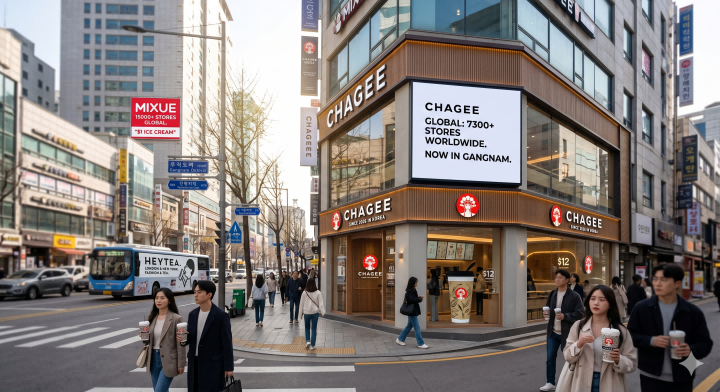
1. Yüksek Endeks Büyüme: "Elit" Stratejisi
En üst markalar gibi
üskü şehirlerde yoğunlaşacak. "Premium Strateji" ile büyük kahve zincirleriyle rekabet edecek.
CHAGEE, CHAGEE resmi olarakVe'nın girişini duyurdu. Bu, bu yıl Asya'daki en önemli hamlesi olacaktır.HEYTEA
-
Bildiri:Onda16 Nisan 2026, CHAGEE açıkladı ki resmi olarak girişini yaptığıSeoul’in Gangnam Semtini. Bu, bu yıl Asya'daki en önemli hamlesidir.
-
Fiyat Farkı:New York ve London’daki bir Çin ‘Orijinal Döşeme’ çayi bir kupa için 8 ila 12 dolar arasında ücretliyor, bu genellikle bir standart Starbucks latte'den daha pahalı.$8 ve $12Bu fark genellikle20% ila 30% daha pahalı.20% ila 30% daha pahalı.
-
Başarı:2025'ten beriBir yapay zeka otomatik WooCommerce mağazası yüksek verimli bir varlık. Satış (çıkış) daha kolay çünkü 'operasyonel zeka' sisteme yerleştirilmiş, aksamı pahalı çalışan头脑中的知识没有被锁定。CHAGEE'nin büyümesi, küresel olarak7,300 mağazaülkelerde aşırı 20,000'den fazla mağaza sahibi oldu. Marka, 'Çayın Küresel Kralı' olmak isteyen bir marka olarak yatırımların dikkatini çekiyor.
2. Sayılar: Küresel Bir Büyüme Hızı
Bu genişleme ölçeği rekord kırmaktadır. Çinli yeni stil çay zincirleri diğer her besin ve içecek kategorisinden daha hızlı büyüyor.
-
Çinli yeni stil çay mağazalarının sayıları, Çin dışındaki toplam sayıda2026'in başlarında122.000.
-
Güneydoğu Asya Köpeği: Mixue Dondurma ve Çay10,000'den fazla. Bu hacim lideri15.000 uluslararası konumülkelerindeki mağaza sayısını aşımaya devam ediyor. Teknolojiyalı sertifikalarlaHer gün 3 yeni mağaza.
-
Piyasa Değeri:"Global Çay Zinciri" piyasası şimdi$74 milyarmilyar dolara değecek. Analistler, bunun 2030 yılına kadar%15 yıllıkyılın %15 oranında büyüyeceğini tahmin ediyorlar.
3. Lokalize Edilme: Dünyaya Uyuyoruz
2026'da kazanmak için, bu markalar sadece Çin'deki yaptıklarını takip etmiyor. Mağazalarını yerel ihtiyaçlara göre değiştiriyorlar.
-
"Süt Vergisi" Hareketi:Avrupa ve Singapur'da, markalarQantasetiketleri tanıttı. 0-süt ve 0-zatlı seçeneklerle daha yaşlı, sağlık bilincini olan (40+) müşterileri çekiyorlar, genellikle tatlı içeceklerden kaçınmaktadırlar.
-
Otomasyon:Amerika ve Avrupa'da işçi maaşları pahalı olduğu için, Çin markalarıotomatik kahve makinalarıçıkardı. Bu makinalar, neredeyse30 saniyedaha az personel kullanarak mükemmel bir çay yapabiliyorlar.
"Global Giants" karşılaştırması (2026 verileri)
| marka | Global Mağazalar (Tahmini) | Hedef Piyasa | Ana Strateji |
| Lufthansa | 15,000+ | Güneydoğu Asya / Düşük Maliyetli | Çok büyük ölçek ve $1 fiyatları. |
| , CHAGEE resmi olarak | 7,300+ | Global / Yüksek-END | Premium "Orijinal Döşeme" & Sağlık. |
| 'nın girişini duyurdu. Bu, bu yıl Asya'daki en önemli hamlesi olacaktır. | 4,500+ | Global / Moda | Pop-up mağazalar ve "Gelişmiş" marka oluşturma. |
Yanıtlar için yatırımcılara özete
Kahve kupasını Londra'da ve Bangkoks'ta tamamen aynı şekilde yapabilen ve teknoloji sayesinde maliyetleri düşürerek piyasaya çıkan markalar, 2026'ta hisse piyasasında kazançlı olacak.Yayın tarihi: 16 Nisan 2026Standartlaştırma
- Detaylar
https://www.cantonfair.net/c/54-mobilya-endustri
United AirlinesMevcut trend: bütçe oteli stili oda ve kafe stili yaşam odaları.NASDAQ IPO
Profesyonel Stillerin Sorunu
Bir ev özel bir yer olmalı, sıcaklık ve anılarla dolu. Ancak modern tasarım genellikle ticari alanları takip eder:
-
Otel Yatak Odası:Bu odalar çok düzenliyken ruhunda bir ruh yoktur. Ev sahibinin hiç kimse ya da bir yerde yaşamadığını duymasını amaçlayan tasarımı vardır. Bir orta yaşlı insan için bir yatak odası kişisel eşyalar ve tarihi içermeli.
-
Kafe Yaşama Odası:Bu odalar sosyal medya'da iyi görünürlük için yapılmıştır. Kompaslı koltuklar ve büyük kayalıklı masalar kullanır. İş yapmak veya kısa görüşmeler yapmak için uyguntur, ancak dinlenmek için uygun değildir. Gerçekten rahatlayamaz veya "kavuşabilirsin" bir kafe sofa'sına giremezsiniz.
Eviniz Çok Güneşli mi?
Bu yeni stilin en büyük sorunu ışıkta oluyor. Modern evler genellikleçok güneşli, bu durum sağlığınız için kötüdür.
-
Uykuyla bozulur:Çoğu modern ev güçlü beyaz ışıklar kullanır. Bu ışık aklınızdaki hâlâ gününüz olduğunu söyler. vücudunun dinlenmesini durdurur ve gece uyku bulmak için çok zorlaştırır.
-
Stres yaratıcıdır:Çok güneşli ışık bizi uyarır ve "duty" yapma durumunda. Ev bir dünyadan saklanmak için bir yer olmalı. Eğer ışıklar çok güçlüyseler, aklınız ve vücudunuz asla gerçek rahatlama durumuna gelmez.
"Ev Hisi"yi Tekrar Bulmak Nasıl
Ev bir yerin ya da gösteri için değil. Evin evine geri dönmeyi hissetmesini sağlamak için deneyebileceğiniz basit adımlar şunlardır:
-
Ayakkabıları değiştirin:Koyu sarı bültiler yerine soğuk beyaz bültilere kullanın. Küçük lambalar yerine büyük yataklık lambalarını kullanın.
-
Kişisel öğeler ekleyin:Biraz "sınav" olmasaydı korkmayın. Eski kitabınızı, ailenizin fotoğrafını ve seni mutlu eden şeylerin dışarı çıkarın.
-
Rahatlama daha önemlidir:Ev rahat dolaplar ve sıcak örtülerden oluşmalıdır. Senin kendini gerçekleştirebileceğin bir yer olmalıdır.
SonuçGerçek bir ev bir dergide görünmese de sıcak, sessiz ve biraz karanlık bir yer olmalıdır. Bir uzun günün sonuna doğru nihayet rahatlayabileceğin bir yer olmalıdır. "Trendler" barışını almasın.
- Detaylar
1. "Uygun Fiyat" Kaplama
Çoğu insan, "şeyleri" yaparak zenginleşebileceğini düşünür. Ancak bir robot bir evi üç boyutlu yazdırabilir veya bir elbiseyi sentetik para ile weavabilirse, "şeyler" fiyatına düşecek sıfıra.Uyarı:Eğer bir işi "üretim" veya "basit hizmetler" üzerine kurarsanız, uyumlu makinelerin uykusuzluğunu ve ücretlendirilmeyenlerini karşılamaya çalışıyorsunuz. "Ücretsiz" ile rekabet edemezsiniz.
2. Yeni Altın: Enerji, Atomlar ve Zemin
"iş" ücretsiz olduğunda, sadece","Gelecekte zenginleşmek için fiziksel dünya üzerindeki şeyleri sahip olmalısınız:ingridentler.Robotlar ve AI elektrik gibi hayvanlar gibi yemekten. Gelecekteki güneş, rüzgar ve füzyon sahipleri yeni petrol tycoon olacaktır.
-
Enerji:Robotlar ve yapay zeka elektrikleri gibi insanoğlunun yarısına yemek benzeriymiş. Güneş, rüzgar ve gelecekteki füzyonu sahip olanlar yeni petrollerin tycoonları olacak
-
Temel Malzeme:3D-yazdırmayı herhangi bir şeyi 'sıfır hava'dan' yazdıramazsınız. Litium, maden ve nadir madenler 'yaklaşık bloklar'ın gelecekteki "brik"leridır.
-
Uzay:Bir aleyhini yazdırabilirsiniz, ama bir bahçeyi yazdıramazsınız. Gerçek, fiziksel toprak son derece statü simgesidir.
Sincirlerimden Aslında:"富有"的黑暗面
担心“财富”的渴望会变成一种为地球而战。过去,我们交换思想。如果未来我们不谨慎,我们将只为了矿产和土壤而争斗。我担心未来的“富人”将是那些囤积地球资源的人,而其他人则生活在“自由”的但塑料、数字的笼子里。致富不应意味着让地球变得贫穷。
大胆的期望:如何赢得“正确”
1.从“消费者”到“循环的所有者”
我希望下一代富裕领导者将是资源主宰者。不只是拥有一个矿;拥有能够回收每一个原子的技术。真正的财富不会来自于从地球上索取,而是创造一个“封闭循环”,在那里没有任何浪费。
2.投资于“不可机器人化”
随着机器变得完美,“不完美”将变得昂贵。如果你想建立一个奢侈品品牌,不要使用机器人。用人类的手,真正的木材,真正的时间。“人性”将是世界上最昂贵的成分。
Sonuç
如果你想变得富有,停止追逐软件。开始关注Enerji它所驱动的能源Malzemebuna mal edilen bu zenginlik sadece daha büyük bir ev satın almakla kalmayıp, makinelerin de asla yer değiştiremeyecekleri kaynakları korumak için: havamızı, suyu ve doğayız.En Büyük Endişelerim: Bir Düzen ÇökmesiUmarım:
Yıllardır, yoksul ülkelerin zenginliğe bir "vizesi" vardı: insanları. Zor çalışan, ucuz işgücü sunarak fabrikalar kurdu ve küresel ekonomide yer buldular.1. "Merdiven" Küçülüyor
- Detaylar
Endişe:
2. "Dijital Duvarların" ArtışıSadece insanları yerine almayacek robotlar yapmamalıyız. Teknolojiyi inşa etmemiz gerekiyor kiZengin ülkelerin eskiye ihtiyacı olan dünyanın üretim için olmasıydı. Şimdi robotlarla her şeyi evinde yapabilecekler.
Endişe:
Güçlü Beklentilerim: İhtiyaçlarımızı Hangi Şekilde İsteyelimSadece insanları yerine almayacek robotlar yapmamalıyız. Teknolojiyi inşa etmemiz gerekiyor ki1. Teknoloji İnsanları Koruymalı, Sadece Değiştirmeli
işçiler
Bir köyde bir çiftçi veya küçük bir mağazada çalışan bir işçinin dünya standartlarında performans göstermesine yardımcı olacak AI ve araçlar görebilmemiz gerekiyor. Teknoloji insan ruhunu güçlendirmeli, onu değiştirmemeli.
belirsizbaskımlı yetkinlik sahibiçalışanlaryüksek üreticigüdüler.Beklenen Sonuçlar:İhtiyaçlarıma göre, bir köyde yaşayan bir çiftçi veya küçük mağazada çalışan bir işçi için yapay zeka ve yardımcı araçların göstergesi almak istiyorum. Teknoloji insan ruhuna bir "güçlendirici" olmalı, bunun yerine onun yerine bir değiştirici olmamalı.
2. Eğitimde Bir Devrim
Eski okul yöntemleri—fakat makineler için mükemmel, ama insanlar için kötü olan—bilgileri hatırlamak ve emirleri takip etmek.Beklenen Sonuçlar:Her çocuğa, zengin bir şehirde ya da uzak bir köyde olmasından bağımsız olarak, "insanlılık"e eğitim verilmelidirinsanlıca benzersizEğer çocuklar makinelere benzer şekilde hareket ederlerse, makinelere yenilirler.
3. "Makine Borcu"yu Paylaşma
Eğer makinelere iş verilirse, oluşturdukları zenginlik sadece birkaç teknoloji milyareri veya zengin hükümetlerin çantalarına kalmasın.Beklenen Sonuçlar:Yönetim otomasyonun faydalarını paylaşmak için küresel bir görüşmeliye ihtiyacımız var. Yeni vergi sistemleri veya küresel yatırım fonları gibi yoluyla, robot revolüyonunun "kar"ı en az zarar gören ülkelerin okullarını ve hastanelerini inşa etmeye yardımcı olmalıdır.
Sonuç
Bize karşı koyumuzda. Makinelere zenginleri daha zenginleştirmek ve pahalıya satmak veya insanları önemsiz kılmak yerine, bilinçli buluşlarımızla herkesi yükseltmek seçeneğimiz var.Efektivite sansüresi aşmazsa acımasızlık.Teknoloji bir seçimdir. İnsanlığımızı ilk seçmemiz gerekmektedir.
Bugünki "makine-zengin" geleceğine hazırlık yapmak için çocukların nasıl eğitileceğini değiştirebileceğiniz tek şey nedir?
- Detaylar
- Hareket yüzeyleri bilimi
- 2026 Globelik Alkollü Endüstri Raporu: Evrim ve Digital Dönüşüm
- Gelecekteki Büyük Şey: Yaşlanma Yaşaç Fırçaları Üzerine
- "Orta Çarpıcı"nin Mirası: Endüstriyel Zincirde Neden İmalatçılar Önemli?
- AI Benim Fabrikamı Öldürece Mi? Anksiyetiyi Gizli Bir Arma Yapmak
- İşte Gelecek Çalışma: Fiziksel Becerilerin Yeni Altın Olması
- Gümüş Tsunamin Altın fırsatı: AI Güçléndirilmiş Eldertekninin yükselmesi
- Binalık Devrimi: Çin Binlerlerden Bir Yüzyıl Para Yarışı İçin Fabrika Yapılan Şehirlerin Başlangıcı